
Latest Articles
Top Sobriety Podcasts to Support Your Recovery
Discover top sobriety podcasts offering real stories, practical tools, science-informed insight, and encouragement, plus tips for listening safely.
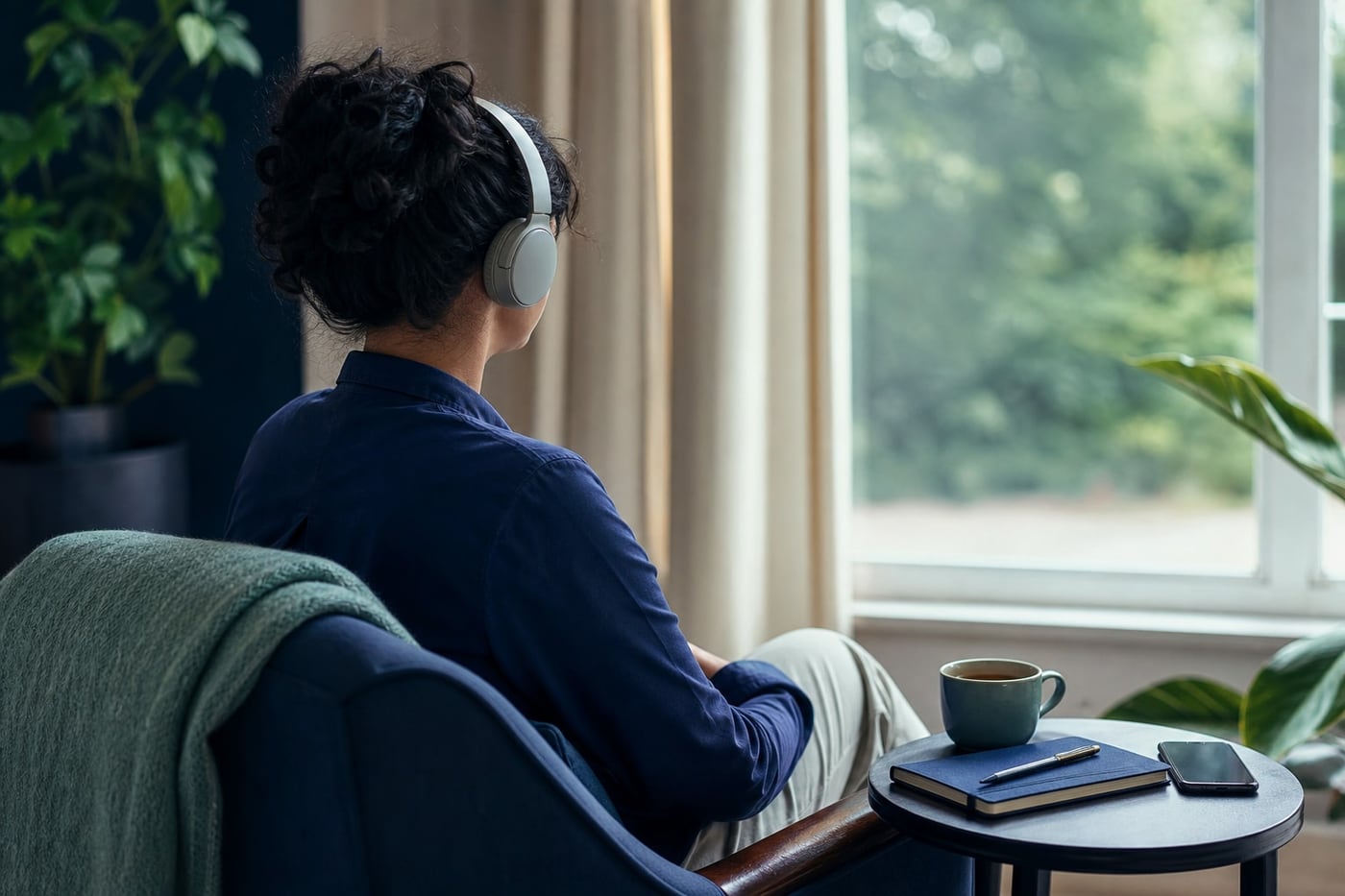
Podcasts can make recovery feel less isolating. They offer lived experience, practical ideas and conversations you can hear while commuting, exercising or getting through a difficult evening. The best sobriety podcasts include Recovery Elevator, This Naked Mind, Sober Powered, Sober Awkward, Addiction Unlimited, The Addicted Mind, The Sober Mom Life and The Hello Someday Podcast.
This selection is not a clinical ranking. Each show serves a different listener: some emphasize alcohol-free living, some explain research, and others focus on personal recovery stories or particular communities. All had accessible catalogs or current show information when reviewed in July 2026.
A podcast may complement a broader recovery support system, but it cannot assess withdrawal risk, diagnose alcohol use disorder or replace treatment, counseling, medication management, peer meetings or emergency care.
Top sobriety podcasts worth exploring
1. Recovery Elevator
Best for: A broad mix of alcohol recovery stories, encouragement and community
Recovery Elevator is one of the longest-running shows in the modern alcohol-free podcast space. It combines interviews with people in recovery, reflections on sober living and practical discussions about building a meaningful life without alcohol. Its large back catalog makes it useful if you want to search for experiences resembling your own.
The tone is generally conversational and nonjudgmental. Because many episodes center on lived experience, it may especially appeal to listeners who gain hope from hearing how other people handled cravings, relationships and identity changes. The show’s official site describes its purpose as helping people stop drinking and create lives they value. (recoveryelevator.com)
Try it if: You want recovery stories alongside everyday sobriety topics.
2. This Naked Mind Podcast
Best for: Questioning alcohol’s role in your life without relying on labels
Hosted by Annie Grace, This Naked Mind Podcast explores drinking behavior, cultural beliefs about alcohol, listener questions and personal stories. Its framing may suit people who are sober-curious as well as those who have already chosen abstinence.
The show is updated weekly and has an extensive catalog featuring coaching conversations and interviews. Its approach is centered on curiosity and changing how listeners think about alcohol rather than using shame or rigid labels. (podcasts.apple.com)
Some episodes discuss science or health. Treat these as educational starting points rather than individualized medical advice, and verify health decisions with a qualified professional.
Try it if: You are exploring whether alcohol still fits the life you want.
3. Sober Powered
Best for: Short, science-focused discussions about alcohol and the brain
Sober Powered is hosted by Gillian Tietz, who draws on a biochemistry background, recovery coaching and lived experience. Episodes examine topics such as reward, stress, emotional regulation, cravings and recurring thoughts about drinking. The official site also organizes episodes by category, making specific subjects easier to find. (soberpowered.com)
The focused format works well when you want one concept explained without a long interview. The show says that its material reflects the host’s interpretation of research combined with opinion, so it should not be treated as medical guidance. (podcasts.apple.com)
Try it if: Understanding possible mechanisms helps you respond to recovery challenges with less self-blame.
4. Sober Awkward
Best for: Humor, honesty and navigating alcohol-centered social culture
Hosted by writer Victoria Vanstone, Sober Awkward examines the uncomfortable and sometimes funny realities of life after alcohol. Common themes include parenting, parties, sober dating, shame and learning how to socialize differently.
The show has an Australian perspective but discusses experiences that will be familiar to many international listeners. Its frank style includes swearing and potentially sensitive personal stories, so check episode descriptions if you prefer gentler material. The official show description emphasizes humor, candid conversation and the less polished parts of sobriety. (podcasts.apple.com)
Try it if: Very serious recovery content makes you switch off, but you still want honest conversations.
5. Addiction Unlimited Podcast
Best for: Direct, practical discussions about maintaining sobriety
Angela Pugh hosts Addiction Unlimited, a US-based podcast addressing triggers, relationships, confidence, routines and the work that follows the initial decision to quit drinking. Episodes combine personal experience, coaching-oriented suggestions and guest interviews.
The show is active in 2026 and presents a straightforward style focused on translating ideas into action. (podcasts.apple.com) Its advice may be useful for reflection, but coaching is not the same as licensed healthcare. Check a host or guest’s credentials before relying on claims about physical or mental health.
Try it if: You prefer clear takeaways and structured topics over open-ended conversation.
6. The Addicted Mind Podcast
Best for: Wider addiction, mental health and treatment topics
The Addicted Mind goes beyond alcohol to examine substance use, behavioral addictions, trauma, relationships and psychological recovery. Host Duane Osterlind is a licensed marriage and family therapist, and many episodes feature clinicians, researchers or people with lived experience. (theaddictedmind.com)
Its broader scope can help listeners understand how substance use may intersect with shame, attachment, grief or other concerns. However, one expert interview cannot account for your medical history or establish that a particular explanation applies to you.
Try it if: You want interviews on addiction science and emotional wellbeing, not only alcohol-free lifestyle content.
7. The Sober Mom Life
Best for: Mothers questioning or changing their drinking
Created by Suzanne Warye, The Sober Mom Life focuses on motherhood, social expectations, identity and alcohol-free living. Episodes include personal stories from mothers and shorter reflections on situations such as holidays or social pressure. The show remained active in 2026. (podcasts.apple.com)
Although the title addresses mothers, some discussions may also resonate with caregivers and anyone concerned about family drinking patterns. Parenting circumstances vary substantially, so listeners facing child safety, custody, domestic abuse or medical concerns should seek appropriate professional support rather than relying on podcast advice.
Try it if: You want recovery conversations grounded in parenting and the pressures placed on mothers.
8. The Hello Someday Podcast for Sober-Curious Women
Best for: Women balancing early sobriety with work, family and social life
Hosted by Casey McGuire Davidson, this podcast is designed for women who are quitting or questioning alcohol. Topics commonly involve early sobriety, friendships, stress, motherhood, workplace culture and creating routines that do not revolve around drinking. (podcasts.apple.com)
Its audience is specific, but the practical discussions about boundaries and everyday planning may have wider value. If your needs fall outside the show’s perspective, pair it with voices representing your culture, identity and recovery pathway.
Try it if: You want supportive conversations about the practical realities of changing your relationship with alcohol.
How to choose the right recovery podcast
A popular show is not automatically the right show for you. Sample two or three episodes and consider:
- Recovery approach: Is it 12-step, secular, faith-based, abstinence-focused, harm-reduction-oriented or sober-curious?
- Content style: Do you want personal stories, interviews, humor, practical tools or research discussions?
- Emotional effect: Do you feel steadier and more connected afterward, or activated and overwhelmed?
- Host and guest credentials: Are clinical claims made by appropriately qualified professionals?
- Commercial boundaries: Can you distinguish free content from coaching, memberships, supplements or other products being sold?
- Representation: Do you hear experiences that respect your identity, culture, family structure and circumstances?
Recovery can include clinical treatment, medication, mutual-help groups, peer support, family support and self-care. It is personal, and there is no single pathway that fits everyone. (samhsa.gov)
Turn listening into practical support
Passive listening can be comforting, but a small follow-up action may make an episode more useful.
- Choose a specific topic. Search for an episode about the challenge in front of you, such as cravings, social events or rebuilding trust.
- Write down one useful point. Avoid trying to overhaul your entire routine after every episode.
- Check important claims. Verify medical information through authoritative health sources or a qualified clinician.
- Discuss it with someone. Share the idea with a counselor, sponsor, recovery coach, peer group or trusted person.
- Notice your response. Pause episodes containing detailed substance-use stories if they increase cravings, distress or romanticized memories.
- Connect listening to your plan. For example, record the trigger in a sobriety tracker or use the episode to prepare a question for your next appointment.
A podcast can create a sense of company, but it cannot notice a change in your behavior or respond in real time. SAMHSA describes peer connection and support groups as valuable parts of recovery, while NIAAA notes that mutual-help groups are generally not led by clinicians and should not automatically replace professional care. (samhsa.gov)
Medical safety: podcasts are not withdrawal care
Evidence-based medical guidance: Abruptly stopping alcohol after prolonged heavy drinking can cause potentially life-threatening withdrawal. Warning signs can include seizures, hallucinations, severe confusion, marked shaking, repeated vomiting or major changes in heart rate and blood pressure. People at risk may need medical assessment and supervised withdrawal care. (niaaa.nih.gov)
If you may be physically dependent, do not use a motivational episode as your only plan for quitting. Read our guide to alcohol withdrawal symptoms and warning signs and contact a healthcare professional.
For an emergency, contact local emergency services. United States: call 911 for immediate danger. Call or text 988 for mental health or suicide crisis support, and use SAMHSA’s National Helpline at 1-800-662-HELP for treatment information. Outside the United States: emergency numbers, crisis lines and treatment systems vary; use your country’s official health service or emergency directory. (samhsa.gov)
Conclusion
The best sobriety podcast is one that leaves you more informed, supported and willing to take a healthy next step. Start with a show matching your preferred tone, then build a small playlist for cravings, commutes, social anxiety or difficult days. Podcasts can strengthen motivation and connection, but lasting support usually benefits from people who can listen back, respond and help when circumstances change.
Frequently asked questions
Can a sobriety podcast help me stop drinking?
It may provide motivation, education and a sense of connection, but it cannot determine whether stopping without medical supervision is safe. If you drink heavily, have experienced withdrawal before or use sedative drugs such as benzodiazepines, seek medical advice before stopping abruptly.
What is the best sobriety podcast for beginners?
Recovery Elevator offers varied personal stories, while This Naked Mind may suit people still questioning their drinking. Sober Powered is useful if you prefer focused explanations. Try one episode from each and judge the emotional fit rather than choosing solely by ratings.
Are sobriety podcasts evidence-based?
Some hosts interview clinicians or cite research, but quality varies by episode. Personal testimony is lived experience, not proof that the same approach will work for everyone. Verify medical claims with authoritative sources and discuss treatment decisions with a qualified professional.
What should I do if a recovery podcast triggers cravings?
Stop the episode and move to a safer activity or environment. Contact someone in your support network, attend a meeting or use your established craving plan. Our guide to responding to alcohol cravings offers additional practical options. Seek urgent help if you feel unable to remain safe.
How often should I listen to sobriety podcasts?
There is no medically recommended frequency. Some people listen daily in early recovery; others use podcasts only for particular situations. Choose a routine that supports sleep, responsibilities and real-world relationships rather than replacing them.