
Latest Articles
Opioid Dependence: Overdose Risk, Naloxone and Treatment
Understand opioid dependence, overdose risks, how naloxone saves lives, and evidence-based treatment options in the US and worldwide, with safety steps.
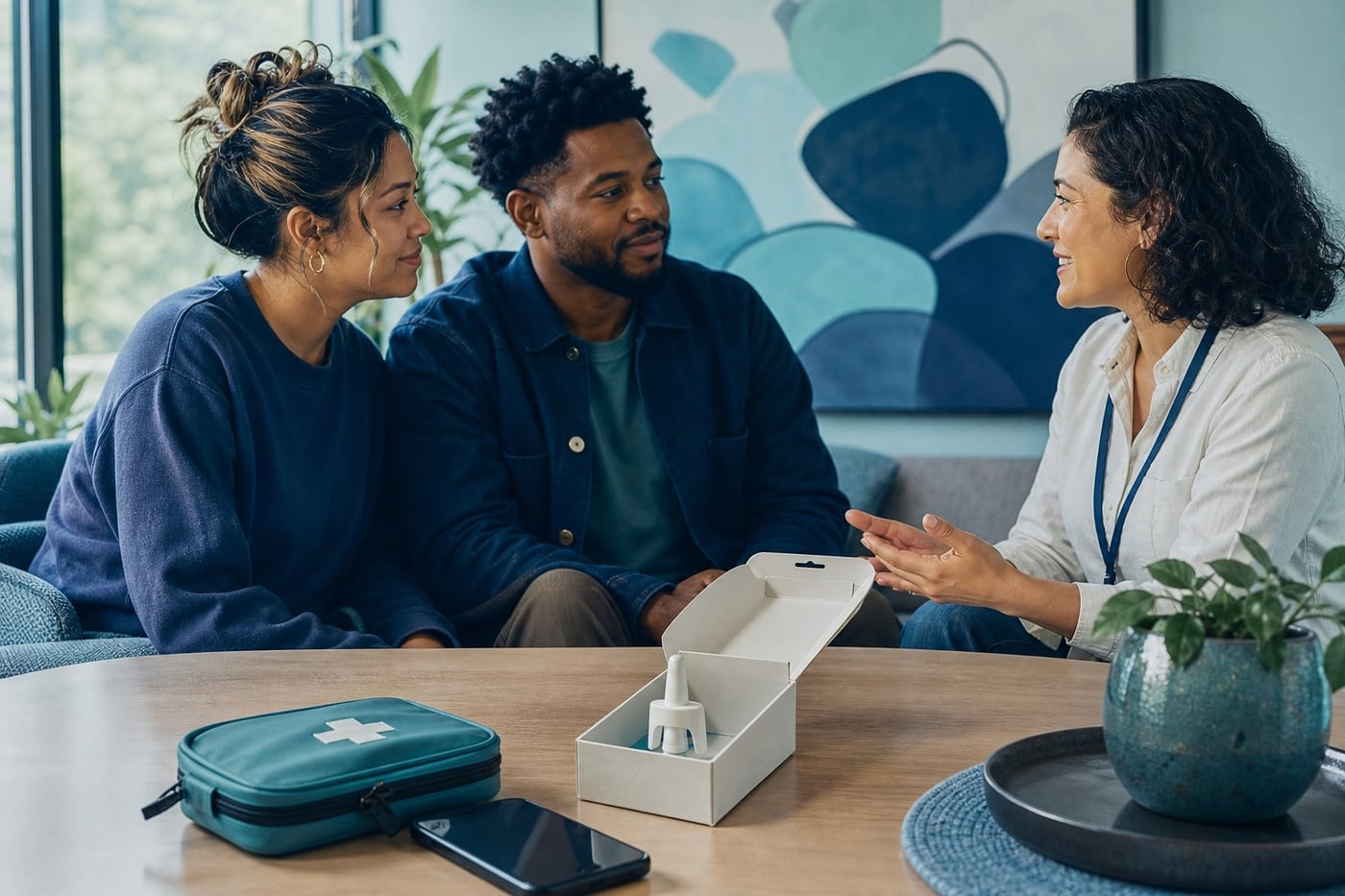
Opioid dependence can increase overdose risk, especially when tolerance changes, opioids are mixed with alcohol or sedating drugs, or an unpredictable illegal drug supply contains fentanyl. Naloxone can temporarily reverse the breathing suppression caused by an opioid overdose, but emergency medical help is still essential. For opioid use disorder, treatment with buprenorphine, methadone or naltrexone—combined with appropriate health and social support—can reduce harm and help people build recovery.
Emergency action: If someone cannot be awakened, is breathing slowly or not at all, or is making choking, snoring or gurgling sounds, treat it as a possible overdose. Give naloxone if available and contact local emergency services immediately. In the United States, call 911. Stay with the person until help arrives. (cdc.gov)
Opioid dependence and opioid use disorder are not identical
Opioids include prescription pain medicines such as oxycodone and morphine, the illegal drug heroin, and synthetic opioids such as fentanyl. They can reduce pain, but they can also slow breathing and affect the brain’s reward and stress systems.
Physical dependence means the body has adapted to regular opioid exposure. Stopping suddenly or reducing the amount substantially may cause withdrawal. Physical dependence can develop even when a person takes medication exactly as prescribed, and it does not by itself mean that the person has an addiction.
Opioid use disorder (OUD) involves a problematic pattern of opioid use that causes significant difficulty or harm. Possible features include loss of control, strong urges, unsuccessful attempts to cut down and continued use despite health, relationship or work consequences. A qualified clinician can assess these concerns without relying on stigmatizing labels. (nida.nih.gov)
For a broader explanation of terminology, see Drug Addiction, Dependence and Tolerance: Key Differences.
Why opioid overdose risk can rise
An opioid overdose occurs when opioids suppress breathing so severely that the brain and other organs do not receive enough oxygen. It can happen with prescribed medicines, illegal opioids or counterfeit tablets.
Important risk factors include:
- Reduced tolerance: After detoxification, hospitalization, incarceration, treatment interruption or a period without opioids, a previously used amount may become fatal.
- Illegally manufactured fentanyl: Fentanyl may be present in heroin, powders or counterfeit tablets without the person knowing. It remains a major driver of fatal overdose in the United States. (cdc.gov)
- Mixing depressants: Combining opioids with alcohol, benzodiazepines, sleep medicines or other central nervous system depressants can compound breathing suppression.
- Taking more than intended: This may happen because of pain, withdrawal, uncertain potency, dosing mistakes or delayed effects.
- Using alone: Nobody is present to recognize an overdose, administer naloxone or call for help.
- Previous overdose: A past overdose is an important warning of future risk.
- Certain health conditions: Breathing disorders and some heart, liver or kidney problems may increase vulnerability.
Counterfeit tablets are especially dangerous because appearance cannot reliably confirm their contents or strength. A tablet that resembles a prescription medicine may contain fentanyl or another substance.
How to recognize an opioid overdose
Do not assume that a person who appears to be sleeping will recover without help. Warning signs include:
- Inability to wake or respond to voice or touch
- Very slow, irregular, shallow or absent breathing
- Choking, gurgling or unusual snoring sounds in someone who cannot be awakened
- A limp body
- Pale, gray, blue or otherwise discolored lips, nails or skin, although changes can look different across skin tones
- Very small “pinpoint” pupils
- A slow or absent heartbeat
Not every sign will be present. If you are uncertain, respond as though it is an overdose. (cdc.gov)
What naloxone does—and what it cannot do
Naloxone is an opioid antagonist. It temporarily displaces opioids from their receptors and may restore breathing within minutes. It does not produce intoxication and generally will not harm someone if opioids are not responsible for the emergency. (fda.gov)
Naloxone does not reverse poisoning caused solely by alcohol, benzodiazepines, cocaine or other non-opioid substances. However, drug emergencies often involve more than one substance. Give naloxone when an opioid could be involved while also seeking emergency help.
Naloxone can trigger sudden withdrawal in someone who is physically dependent on opioids. The person may wake feeling sick, frightened, confused or agitated. This possibility should never delay its use during a suspected overdose: restoring breathing is the priority.
How to respond to a suspected overdose
Evidence-based emergency guidance:
- Give naloxone immediately if it is available. Follow the instructions for the specific nasal or injectable product.
- Call local emergency services. In the US, call 911 after giving the first dose. Put the phone on speaker if possible.
- Support breathing. Begin rescue breathing or CPR if the person is not breathing normally and you are trained or directed by the emergency dispatcher.
- Give another dose if needed. With commonly available US nasal products, another dose may be given using a new device if normal breathing has not returned after two to three minutes. Continue according to the product instructions and dispatcher’s advice. (fda.gov)
- Place the person on their side if they are breathing but unconscious, to reduce choking risk.
- Stay with them. Naloxone can wear off before the opioid does, so breathing problems may return even after the person wakes.
Avoid putting the person in a cold shower, forcing them to walk, inducing vomiting or injecting stimulants. These actions do not reverse opioid overdose and may delay effective care.
Getting and carrying naloxone
United States
Naloxone availability has expanded substantially. Some nasal products can be purchased over the counter without a prescription, while pharmacies, health departments, syringe-service programs and community organizations may provide free or lower-cost supplies. As of June 2026, the US Food and Drug Administration had approved multiple over-the-counter naloxone nasal spray products. (fda.gov)
People who use opioids, take prescribed opioid pain medicine, have recently stopped opioids or spend time with someone at risk may benefit from keeping naloxone nearby. Friends and family should know where it is stored and how to use it. Check the expiration date and storage instructions, but use available naloxone in a life-threatening emergency rather than withholding help.
US Good Samaritan protections vary by state and circumstance. Fear of legal consequences should not delay an emergency call, but local laws are not identical.
Outside the United States
Access rules differ widely. Depending on the country, naloxone may be available through pharmacies, prescription services, community programs, treatment centers or supervised consumption and harm-reduction services. WHO recommends access and training for people likely to witness an opioid overdose, including people who use opioids and their families and friends. Contact a local health authority, pharmacist or harm-reduction organization for country-specific information. (who.int)
Evidence-based treatment for opioid use disorder
Medication is a first-line treatment for many people with OUD. In the US, the FDA-approved medications are buprenorphine, methadone and naltrexone. These are legitimate medical treatments, not moral compromises or simply a replacement of one addiction with another. (samhsa.gov)
Buprenorphine
Buprenorphine is a partial opioid agonist. It can reduce withdrawal and cravings while limiting some opioid effects. It is available in several formulations and, in the United States, appropriately authorized clinicians can prescribe it in office-based and other health care settings without the former federal “X-waiver” requirement. (samhsa.gov)
Starting buprenorphine requires clinical planning because taking it at the wrong point after some opioids can trigger sudden withdrawal. The changing fentanyl supply may affect initiation strategies, so professional guidance is important.
Methadone
Methadone is a long-acting full opioid agonist that can reduce withdrawal, cravings and the effects of other opioids when used as prescribed. In the US, methadone for OUD is generally dispensed through federally certified opioid treatment programs, although regulations and take-home arrangements have evolved.
Other countries use different delivery systems. Some allow methadone treatment through primary care or community pharmacies, while access is highly restricted or unavailable elsewhere.
Naltrexone
Naltrexone blocks opioid receptors rather than activating them. Extended-release injectable naltrexone is approved in the US for OUD. A person must complete an opioid-free period before starting it; otherwise, it can precipitate severe withdrawal.
Because tolerance is reduced during and after naltrexone treatment, returning to opioid use can create serious overdose risk. Trying to overcome the medication’s blocking effect with large amounts of opioids is also extremely dangerous. (samhsa.gov)
Counseling and wider support
Counseling, mental health care, peer support, housing assistance and help with employment or relationships can strengthen treatment. However, difficulty accessing counseling should not automatically block access to buprenorphine or other appropriate medication.
The best medication and level of care depend on medical history, previous treatment, pregnancy status, personal priorities, access and informed preference. Medication may be continued for months, years or longer when it remains beneficial. Decisions to reduce or stop it should be made collaboratively rather than according to an arbitrary deadline.
Why detoxification alone may leave people vulnerable
Opioid withdrawal is often intensely uncomfortable. Symptoms may include muscle aches, anxiety, sweating, nausea, vomiting, diarrhea, insomnia and strong urges to use. Uncomplicated withdrawal is usually not directly life-threatening in the way that severe alcohol or benzodiazepine withdrawal can be, but dehydration and other medical complications can occur.
More importantly, withdrawal management alone does not treat the underlying OUD. Returning to opioid use after tolerance has fallen creates a substantial overdose risk. Clinical guidelines therefore favor continuing evidence-based treatment over short-term detoxification by itself. (downloads.asam.org)
Do not attempt to manage severe withdrawal with someone else’s medication. Pregnancy, serious illness, repeated vomiting, confusion, chest pain, severe dehydration or thoughts of self-harm require prompt professional assessment.
Practical ways to reduce immediate risk
The following are practical safety suggestions, not a personalized treatment plan:
- Keep multiple naloxone doses where they can be reached quickly.
- Tell trusted people where naloxone is and demonstrate how to use it.
- Avoid mixing opioids with alcohol, benzodiazepines or other sedatives.
- Do not take tablets that were not obtained from a licensed pharmacy.
- If non-prescribed use continues, avoid using alone and consider locally available overdose-monitoring services.
- Ask about fentanyl test strips where they are legal and available, while recognizing that no test removes all risk.
- Seek medical support after any nonfatal overdose; it is an opportunity to review safety and begin treatment.
- Make a plan for periods when tolerance may be lower, including release from custody, discharge from hospital or rehab, and interruptions in treatment.
If opioid use returns after a period of recovery, respond without shame but take the overdose risk seriously. I Relapsed—What Should I Do Now? Safe, Practical Next Steps explains how to prioritize immediate safety. A reliable network can also help with naloxone access, appointments and difficult moments; see How to Build the Right Recovery Support System.
Finding treatment and urgent support
United States: SAMHSA’s confidential National Helpline is available at 1-800-662-HELP (4357), with TTY at 1-800-487-4889. Its treatment locator can help identify programs offering medications for OUD. (samhsa.gov)
For a suspected overdose, call 911. For a mental health or suicide crisis in the US, call or text 988. These services have different roles; 988 does not replace emergency medical response to an overdose.
Outside the US: Contact local emergency services for an overdose. Treatment structures and approved medications vary, so a national health ministry, licensed clinician, pharmacist or recognized harm-reduction organization can provide local guidance.
Conclusion
Opioid dependence and OUD are treatable health concerns, but changing tolerance, fentanyl exposure and drug combinations can make overdose risk unpredictable. Carrying naloxone, knowing how to respond and connecting with evidence-based medication treatment can save lives. Recovery choices should be informed, voluntary and supported—not shaped by stigma or pressure.
Frequently asked questions
Can naloxone reverse a fentanyl overdose?
Yes. Naloxone can reverse opioid-induced breathing suppression caused by fentanyl. More than one dose may be needed, and emergency help remains essential because naloxone is temporary and other substances may also be involved.
Can someone overdose after being opioid-free for a while?
Yes. Tolerance can fall after detoxification, incarceration, hospitalization, treatment or any period without opioids. Returning to an amount previously used may cause a fatal overdose.
Is physical opioid dependence the same as addiction?
No. Physical dependence means the body has adapted and may develop withdrawal if opioids are stopped. OUD involves a wider pattern of impaired control, continued use despite harm and related difficulties. The two can occur together, but dependence alone does not establish OUD.
Does naloxone encourage opioid use?
There is no pharmacological reward from naloxone. It blocks opioid effects and may cause withdrawal in an opioid-dependent person. Its purpose is to restore breathing long enough for emergency care to arrive.
Which opioid treatment medication is best?
There is no single best option for everyone. Buprenorphine and methadone have strong evidence as opioid agonist treatments, while extended-release naltrexone may suit some people who can complete the required opioid-free period. A qualified clinician should explain benefits, risks, access requirements and how each option fits the person’s informed preferences.