
Latest Articles
How to Stop Drinking Wine Every Evening: A Safe, Practical Guide
Learn how to stop drinking wine every evening with a safe, practical plan for changing routines, handling cravings, and finding support when needed.
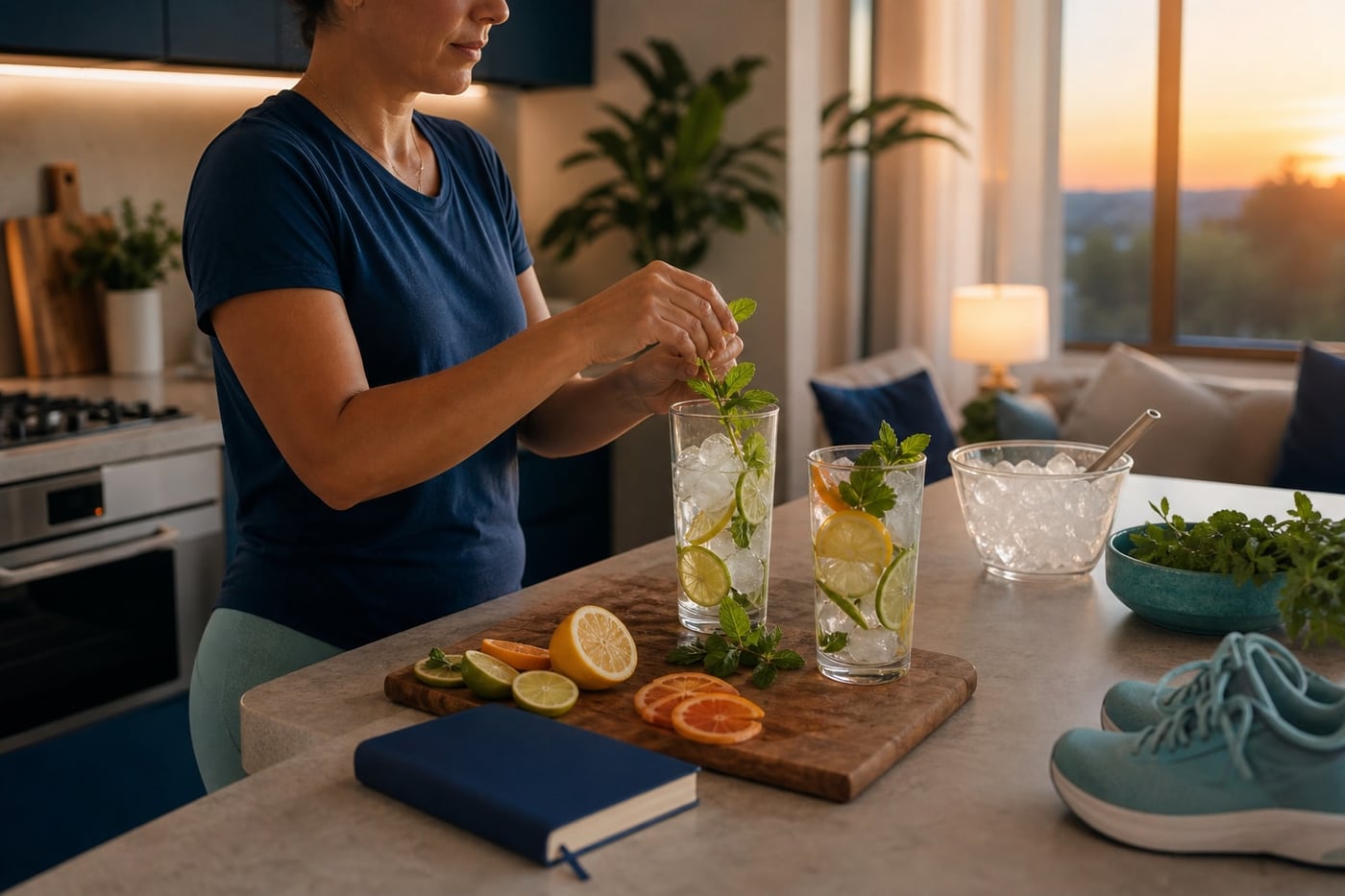
Drinking wine every evening can become automatic: the workday ends, dinner begins, or the house becomes quiet, and a glass appears almost without a conscious decision. To stop the habit, begin by checking whether it is medically safe to stop abruptly. Then measure what you currently drink, choose a clear goal, remove easy access to wine, replace its role in your evening, prepare for cravings, and involve another person if you need support.
You do not have to decide whether your drinking is “bad enough” before making a change. However, if you drink heavily, experience withdrawal symptoms, or have struggled to stop before, seek medical advice rather than trying to manage withdrawal alone.
Is Evening Wine a Habit or a Sign of a Larger Problem?
Frequency alone does not determine whether someone has alcohol use disorder (AUD). The amount you drink, your level of control, your reasons for drinking, and its effects on your health and daily life all matter.
Questions worth considering include:
- Do you regularly pour more than you planned?
- Has one glass gradually become two or more?
- Do you feel anxious, irritable, shaky, sweaty, or nauseated when you delay drinking?
- Do you rely on wine to sleep, calm anxiety, manage loneliness, or switch off after work?
- Have you repeatedly tried to cut back without being able to maintain the change?
- Is drinking affecting your energy, relationships, parenting, finances, work, or health?
AUD is a medical condition involving difficulty stopping or controlling alcohol use despite harmful consequences. It can be mild, moderate, or severe; a person does not need to identify with a particular label to ask for help. (niaaa.nih.gov)
If you are uncertain about your pattern, read Am I an Alcoholic? Signs, Self-Check Questions and Next Steps. A healthcare professional can provide a confidential assessment without assuming that you need inpatient rehabilitation.
Safety First: Could Stopping Suddenly Cause Withdrawal?
Evidence-based medical guidance: Alcohol withdrawal can become dangerous when a person who has been drinking heavily over time suddenly stops. Warning signs can include shaking, sweating, anxiety, insomnia, nausea or vomiting, a rapid pulse, hallucinations, seizures, and severe confusion. (niaaa.nih.gov)
Talk to a doctor or addiction healthcare professional before stopping abruptly if you:
- Drink large amounts every day or frequently finish a bottle of wine or more
- Need a morning drink or drink to relieve shaking or anxiety
- Have experienced alcohol withdrawal, seizures, or hallucinations before
- Use benzodiazepines, sedatives, or other substances that can also cause withdrawal
- Have significant heart, liver, neurological, or other medical conditions
- Are pregnant or may be pregnant
Do not create a home tapering schedule without medical guidance. If someone has a seizure, hallucinations, severe confusion, or rapidly worsening symptoms, contact local emergency services. In the United States, call 911. Learn more in Alcohol Withdrawal Symptoms: Timeline and Warning Signs.
A Practical Plan to Stop Drinking Wine Every Evening
The following strategies are practical suggestions, not a personalized medical treatment plan. Start with two or three changes that directly address your own evening pattern.
1. Measure Your Real Pour
Before changing the routine, find out how much wine it contains. For several days, record:
- When you have the first drink
- How much you pour
- Whether you refill the glass
- What happened immediately before the urge
- What you hoped the wine would do for you
In the United States, one standard drink of wine is approximately 5 fluid ounces, or 148 milliliters, at 12% alcohol by volume. Large glasses, stronger wines, and generous home pours may contain considerably more than one standard drink. Standard-drink definitions differ internationally, so readers outside the US should use their national health authority’s definition. (niaaa.nih.gov)
Record each drink before pouring it rather than reconstructing the amount the next morning. NIAAA includes tracking and measuring drinks among its recommended strategies for cutting down. (rethinkingdrinking.niaaa.nih.gov)
2. Choose a Clear Goal
A vague goal such as “drink less” requires a new decision every evening. A defined goal is easier to follow. Depending on your circumstances, you might choose:
- No wine at home for the next 30 days
- Alcohol-free weekdays
- A fully alcohol-free period followed by reassessment
- Long-term abstinence
- A reduction plan developed with a healthcare professional
Personal choice: Some people want to stop completely; others initially want to break the daily pattern. Either goal can be a meaningful change. Abstinence may be the safer choice for people who cannot consistently control the amount they drink, are recovering from AUD, take interacting medication, are pregnant, or have certain health conditions. (cdc.gov)
3. Identify the Job Wine Is Doing
Removing wine without replacing its function leaves an uncomfortable gap. Ask what the evening glass provides—or appears to provide.
| If wine signals… | Try replacing it with… | |---|---| | The end of work | Changing clothes, showering, walking, or playing a specific playlist | | Relief from hunger | A planned snack or earlier dinner | | Stress reduction | Ten minutes of movement, paced breathing, journaling, or calling someone | | A reward | A special alcohol-free drink, favorite meal, book, show, or hobby | | Social connection | A phone call, class, meeting, game, or shared alcohol-free activity | | Help with sleep | A consistent wind-down routine and medical advice for persistent insomnia |
The replacement should be immediate and realistic. A complicated wellness routine is unlikely to compete with a bottle that is already in the kitchen.
4. Redesign the High-Risk Hour
Focus on the period when you usually open the wine. Plan that hour in advance rather than relying on willpower.
For example:
- Eat a snack before leaving work.
- Take a different route home if you usually buy wine on the way.
- Put an appealing alcohol-free drink in the refrigerator.
- Begin a planned activity as soon as you enter the house.
- Check in with a supportive person at the usual drinking time.
Keeping little or no alcohol at home and planning alternatives for predictable triggers are among NIAAA’s practical strategies for changing drinking behavior. (rethinkingdrinking.niaaa.nih.gov)
If another household member drinks, discuss storage, drinking around you, and what support would be useful. Boundaries are more effective when they are specific: “Please keep wine out of the kitchen this month” is clearer than “Try not to tempt me.”
5. Prepare for Cravings Before They Arrive
A craving is not a command. It can be intense, but you can create time between the urge and your response.
Prepare a short sequence such as:
- Pause: Wait 20 minutes before deciding what to do.
- Check: Are you hungry, angry, lonely, tired, anxious, or overstimulated?
- Change location: Leave the kitchen, take a brief walk, or move to a room not associated with wine.
- Consume something alcohol-free: Water, food, tea, or another drink can interrupt the pouring ritual.
- Contact someone: Send a simple message such as, “The evening urge is strong; can you talk for five minutes?”
- Reconnect with your reason: Read a note describing what you want tomorrow morning to feel like.
Another option is “urge surfing”: notice where the craving is felt in your body, allow it to rise and fall, and avoid arguing with it. For more strategies, see Alcohol Cravings: What They Are and How to Respond.
6. Address Stress and Sleep Directly
Wine may make you feel sleepy at first, but alcohol can disrupt sleep quality and contribute to waking later in the night. (cdc.gov) If sleep is the main reason you drink, replacing wine with another sedating substance is not a safe solution.
Consider a consistent wake time, reduced late-night screen use, evening movement, and a quieter bedtime routine. Persistent insomnia, anxiety, low mood, trauma symptoms, or chronic pain deserve professional attention in their own right. Treating the underlying problem may make the drinking pattern easier to change.
7. Review Progress Without Turning It Into a Moral Test
Track alcohol-free evenings, money not spent, sleep, mood, cravings, and the situations that were difficult. A sobriety tracker can help reveal patterns and reinforce goals, but it should not become a source of punishment.
If you drink after planning not to, examine what happened:
- Was wine readily available?
- Had you eaten enough?
- Did an argument, social event, or stressful day disrupt the plan?
- Did you tell anyone you were struggling?
- Does your goal need more professional support?
One difficult evening does not erase previous progress. Use the information to strengthen the next plan.
When Self-Directed Strategies Are Not Enough
Evidence-based medical guidance: Professional treatment for AUD can include behavioral therapies, medications, mutual-support groups, or a combination. In the United States, naltrexone, acamprosate, and disulfiram are FDA-approved for treating AUD. These medications have different purposes and safety considerations and must be discussed with a qualified prescriber; do not use someone else’s medication. (niaaa.nih.gov)
Consider professional support if you cannot maintain your goal, cravings feel unmanageable, withdrawal symptoms appear, or drinking continues despite health, relationship, or work consequences. Primary care can be a reasonable starting point. Licensed therapists can also provide approaches such as cognitive behavioral therapy and motivational treatment.
United States: SAMHSA’s National Helpline at 1-800-662-4357 provides free, confidential treatment information and referrals. If you are in emotional crisis or at risk of suicide, call or text 988. Call 911 for a medical emergency. (samhsa.gov)
Outside the United States: Treatment systems, emergency numbers, drinking guidelines, and standard-drink definitions vary. Contact your local health service, primary care clinician, addiction service, or emergency number. The World Health Organization emphasizes that no alcohol consumption is completely risk-free and that risk generally rises with the amount and frequency consumed. (who.int)
Conclusion
To stop drinking wine every evening, make the routine less automatic: assess withdrawal risk, measure your intake, choose a clear goal, remove cues, replace the purpose wine serves, and prepare for the hour when cravings usually appear. If the pattern is difficult to change or stopping produces physical symptoms, seek professional support. Asking for help is not a failure of willpower; it is a practical response to a health concern.
Frequently Asked Questions
Can one glass of wine every night be a problem?
It can be, depending on the pour size, wine strength, health conditions, medications, pregnancy status, and whether drinking feels voluntary. Even low levels of alcohol can increase some health risks, including the risk of certain cancers. Drinking less or not drinking lowers alcohol-related risk. (cdc.gov)
How long does it take to break the evening wine habit?
There is no medically guaranteed timeline. Some people find the routine becomes easier within several weeks, while cues and cravings persist longer for others. Instead of waiting for a particular day, monitor whether urges are becoming less frequent, less intense, or easier to manage. Persistent difficulty may indicate that additional support would help.
Should I gradually reduce wine instead of stopping immediately?
Do not assume that a self-managed taper is safe. People at risk of withdrawal should obtain medical advice because withdrawal severity is difficult to predict and can become life-threatening. A clinician can assess your drinking history, previous withdrawal, other substance use, medications, and health conditions before recommending a safer approach.
What can I drink instead of wine at night?
Options include sparkling water with citrus, herbal tea, flavored seltzer, tonic water without spirits, or a drink linked to a new ritual. Choose something you genuinely enjoy. Alcohol-free products help some people but trigger cravings for others, so their usefulness is a personal choice.
How do I know when I need professional help?
Seek help if you experience withdrawal symptoms, repeatedly drink more than intended, cannot sustain attempts to stop, or continue drinking despite harm. You should also speak with a professional if wine has become your main way of coping with anxiety, depression, trauma, pain, or sleep problems. Support can begin with primary care and does not automatically mean residential treatment.