
Latest Articles
Eight Ways Sobriety May Improve Your Fitness
Discover eight ways sobriety may support better sleep, steadier energy, muscle recovery, hydration, coordination, weight goals, and fitness progress.
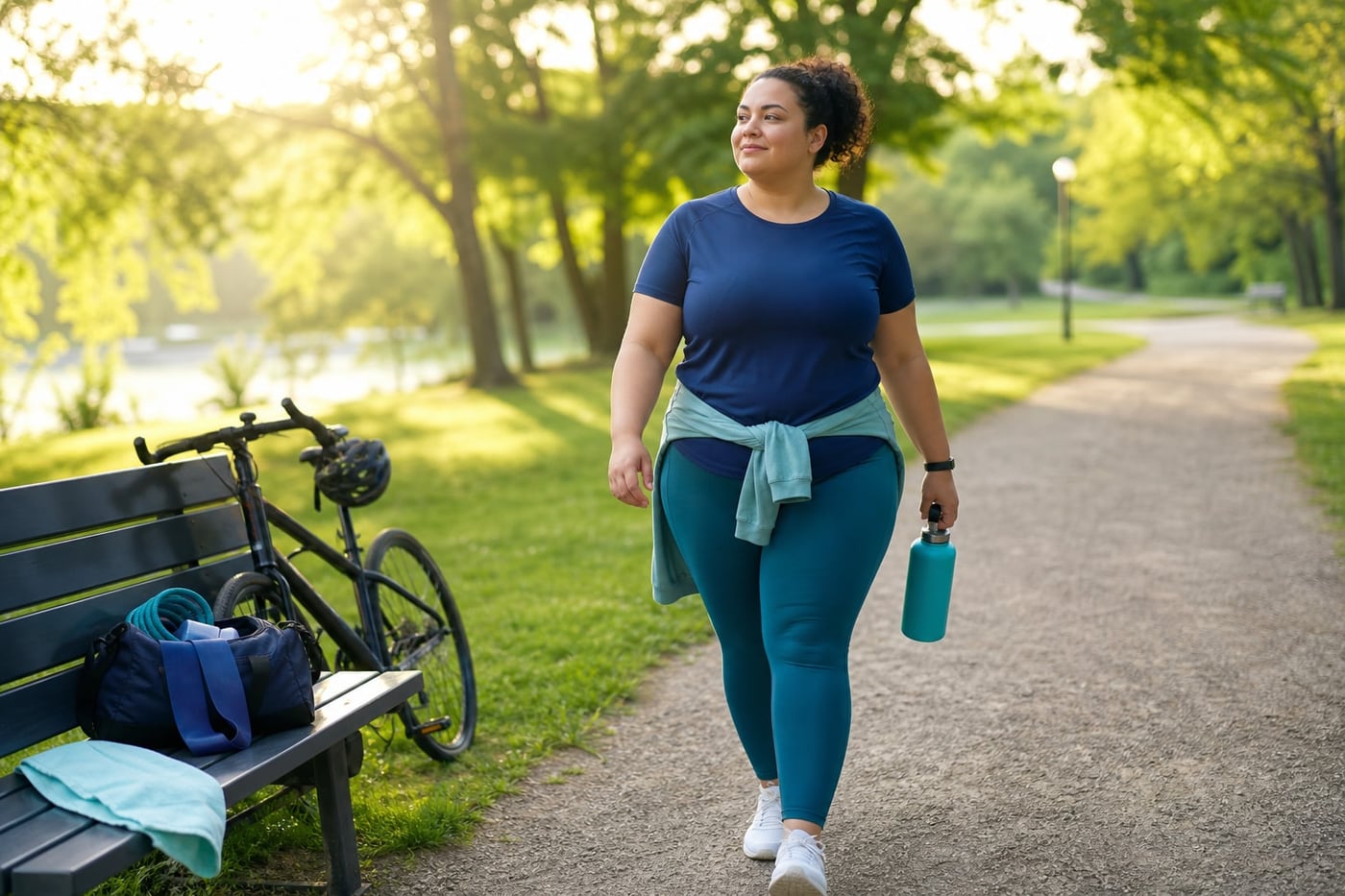
Sobriety may improve fitness by supporting better-quality sleep, more consistent energy, muscle recovery, hydration, coordination, nutrition, weight management, and regular training. The size and speed of these changes vary, however. They depend on your previous alcohol or drug use, health, diet, sleep, medications, activity level, and stage of recovery.
Fitness is not limited to appearance or athletic performance. It can mean walking farther without fatigue, feeling steadier on stairs, rebuilding strength, attending workouts consistently, or having enough energy for daily life. You also do not need to pursue weight loss for movement to be worthwhile.
Most of the evidence in this article concerns alcohol because its effects on exercise and the body have been studied more extensively. Recovery from other substances may involve different physical changes and safety considerations.
Withdrawal safety: If you regularly drink heavily, do not assume it is safe to stop suddenly and begin an intense exercise program. Alcohol withdrawal can cause seizures, severe confusion, hallucinations, or delirium and may require medical supervision. Abrupt benzodiazepine withdrawal can also be dangerous. Contact a healthcare professional for guidance. For severe symptoms, call your local emergency services; in the United States, call 911. (niaaa.nih.gov)
1. Sleep may become more restorative
Alcohol can make a person feel sleepy, but sedation is not the same as healthy sleep. It can fragment sleep, contribute to earlier waking, alter rapid eye movement—or REM—sleep, and worsen some sleep-related breathing problems. Sleep can remain unsettled during early abstinence, particularly for people recovering from alcohol use disorder, before gradually improving. (niaaa.nih.gov)
Better sleep can make exercise feel more manageable. Rest supports attention, coordination, emotional regulation, and the recovery processes that occur between workouts. It may also become easier to exercise in the morning when drinking no longer leads to late nights or hangover fatigue.
Practical choice: Keep exercise relatively gentle if your sleep is poor. Walking, mobility work, or light resistance training may be more realistic than a demanding interval session. Learn more about how alcohol affects sleep and what may change after you stop.
2. Your daily energy may become steadier
Hangovers can involve fatigue, weakness, thirst, headache, nausea, muscle aches, vertigo, and disrupted sleep. Even when a person intends to exercise, those symptoms can turn a planned workout into another missed session. (niaaa.nih.gov)
Without drinking and recovery from drinking repeatedly interrupting the week, energy may become more predictable. This does not mean sobriety guarantees constant motivation. Early recovery can include tiredness, low mood, insomnia, medication effects, or the physical consequences of previous substance use.
The fitness advantage often comes from having more usable days rather than suddenly gaining exceptional endurance. Two or three moderate sessions completed consistently may do more for fitness than one punishing workout followed by several inactive days.
Practical choice: Schedule movement for the time of day when you usually feel most alert. A repeatable 20-minute session is a better foundation than a complicated plan you rarely complete.
3. Muscle repair and training adaptation may receive better support
Exercise challenges muscle tissue, and the body responds by repairing and adapting it. Protein intake, rest, training design, age, and overall health all affect this process.
In a small controlled study of physically active men, consuming a large amount of alcohol after strenuous exercise reduced post-exercise muscle protein synthesis, including when protein was consumed. Because the study involved only eight participants and a high alcohol dose, it cannot tell us exactly what every person will experience after lower intake. It does provide evidence that heavy post-workout drinking can interfere with an important recovery process. (pmc.ncbi.nlm.nih.gov)
A broader NIAAA review also describes links between excessive alcohol exposure and disrupted skeletal-muscle protein metabolism. Avoiding alcohol removes that particular obstacle, although strength still depends on appropriate training, nutrition, and recovery. (arcr.niaaa.nih.gov)
Practical choice: Begin strength work with manageable loads and sound technique. Increase repetitions, resistance, or difficulty gradually rather than trying to compensate for lost time.
4. Hydration may be easier to manage
Alcohol suppresses vasopressin, a hormone involved in helping the kidneys retain fluid. This can increase urination and contribute to the mild dehydration associated with hangovers. (niaaa.nih.gov)
Sobriety does not automatically make someone well hydrated, but it can make fluid intake and loss more predictable. That may be helpful during long workouts, hot weather, or activities involving heavy sweating.
Hydration needs vary with body size, climate, exercise duration, pregnancy, health conditions, medications, and sweat rate. More water is not always better: excessive intake can also be harmful, especially during prolonged endurance events.
Practical choice: Drink regularly across the day and carry water when conditions require it. For prolonged or very sweaty exercise, ask a qualified professional whether fluids containing electrolytes are appropriate for you. Avoid using thirst, urine color, or a fixed daily target as a perfect medical test on its own.
5. Balance, coordination, and reaction time may be more reliable
Alcohol affects brain communication, judgment, motor skills, balance, and reaction time. Some impairment can occur before a person appears visibly intoxicated, and alcohol-related effects may continue for hours after the final drink. (niaaa.nih.gov)
Removing intoxication from workouts can make activities involving speed, heights, traffic, water, or heavy equipment safer. Examples include cycling, swimming, climbing, trail running, lifting free weights, and exercising near moving vehicles.
Long-term heavy drinking can also contribute to nerve, nutritional, muscular, or balance problems that do not disappear immediately. Anyone experiencing persistent numbness, weakness, tremor, dizziness, an irregular heartbeat, chest discomfort, or difficulty walking should seek medical assessment before progressing exercise.
Practical choice: If balance is uncertain, start in a stable environment. Supported strength exercises, flat walking routes, stationary cycling, or supervised sessions may offer a safer entry point.
6. Weight and body-composition goals may become simpler
Alcoholic drinks provide calories while offering relatively few nutrients. Mixers, syrups, cream, and large serving sizes can add considerably more. Removing these drinks may reduce total calorie intake, but weight loss is not automatic because appetite, food choices, metabolism, sleep, medications, and activity can also change. (rethinkingdrinking.niaaa.nih.gov)
Some people want to lose weight in sobriety; others need to restore weight or rebuild muscle after inadequate nutrition. Neither goal should be assumed. Appearance is also an incomplete measure of health and fitness.
Instead of concentrating only on the scale, consider markers such as:
- Walking pace or distance
- Strength and mobility
- Rest between exercise sessions
- Workout consistency
- Energy during everyday tasks
- Blood pressure or laboratory measures reviewed with a clinician
Practical choice: Avoid aggressive dieting during an already demanding period of recovery. If eating feels chaotic, restrictive, or driven by bingeing or compensation, seek help from a clinician or registered dietitian with experience in both substance recovery and eating concerns.
7. Nutrition may support exercise more effectively
Heavy or prolonged alcohol use can interfere with food intake, digestion, nutrient absorption, and the body’s use or storage of certain nutrients. The consequences differ widely: one person may have no recognized deficiency, while another may need medical assessment and treatment. (niaaa.nih.gov)
Sobriety can create more opportunities for regular meals and snacks that supply carbohydrates for activity, protein for tissue maintenance, fats, fiber, vitamins, minerals, and fluid. It may also reduce occasions when drinking replaces a meal or leads to food choices that do not meet the body’s needs.
This is an area where professional guidance and personal choice should be separated. Clinicians can test for and treat deficiencies when indicated. Meal timing, favorite foods, and whether to use sports products are usually personal decisions unless a medical condition requires specific guidance.
Practical choice: Build simple, repeatable meals instead of pursuing a “perfect” fitness diet. Supplements should not be used to self-treat a suspected deficiency without professional advice.
8. Consistency and measurable progress may become easier
Fitness improves through repeated activity followed by adequate recovery. Sobriety may free up time previously spent drinking, obtaining substances, recovering from their effects, or reorganizing plans around use. Clearer mornings can make scheduled workouts easier to keep.
Movement can also provide structure, enjoyment, social connection, and visible progress. However, exercise is a supportive habit—not a substitute for addiction treatment, medication, counseling, peer support, or emergency care. It can become unhelpful if it turns compulsive, causes repeated injury, or is used to punish eating or manage every difficult emotion.
Practical choice: Track a small number of behaviors, such as workouts completed, walking minutes, or strength sessions. A sobriety tracker can also help identify patterns and support goals, without defining your worth by an uninterrupted streak.
Starting fitness safely in sobriety
In the United States, current federal guidance encourages adults to work toward 150 to 300 minutes of moderate aerobic activity each week—or the vigorous-intensity equivalent—plus muscle-strengthening activity on at least two days. People who are inactive can begin with small amounts and build gradually. (odphp.health.gov)
International context: WHO guidance is broadly similar, recommending 150 to 300 minutes of moderate aerobic activity per week for adults, or an equivalent amount of vigorous activity, along with muscle strengthening on two or more days. National recommendations and services may differ, so consult guidance for your country and your own medical circumstances. (who.int)
A simple starting week might include two short walks, one beginner strength session, and a few minutes of mobility work. Rest or reduce intensity if you are experiencing withdrawal, severe sleep loss, dizziness, unusual breathlessness, or illness. For accessible ideas, see eight exercises that can support recovery and well-being.
Conclusion
Sobriety may give fitness a stronger foundation by improving sleep opportunities, daily energy, hydration habits, coordination, nutrition, muscle recovery, and consistency. These benefits are possibilities rather than promises, and some take time.
Start with movement that matches your current health—not the fitness level you think you should have. Sustainable progress is usually built through safe, repeatable activity and adequate support.
Frequently asked questions
How quickly does fitness improve after stopping alcohol?
There is no universal timeline. Some people notice clearer mornings or more consistent energy relatively early, while sleep and physical health may remain disrupted during withdrawal and early recovery. Previous drinking patterns, nutrition, medical conditions, and training all influence progress. Focus on trends across weeks rather than expecting a specific result by a certain day.
Can I exercise during alcohol withdrawal?
Do not use exercise to manage suspected withdrawal without medical advice. Sweating, shaking, vomiting, rapid pulse, severe anxiety, confusion, hallucinations, or seizures require clinical attention, and severe symptoms can be an emergency. A healthcare professional can advise when activity is appropriate based on your risk and symptoms.
Will quitting alcohol automatically help me lose weight?
Not necessarily. Removing alcohol may reduce calorie intake, but appetite, food choices, medications, sleep, hormones, and activity also affect weight. Fitness can improve even when body weight remains stable, so consider strength, endurance, mobility, and well-being alongside the scale.
Is intense exercise good for preventing cravings?
A workout may help some people move through stress or a craving, but intense exercise is not a guaranteed craving treatment. It can also be inappropriate during withdrawal, illness, injury, or exhaustion. Use movement as one option within a broader plan that may include coping skills, social support, counseling, and evidence-based treatment.
What is the best first exercise in sobriety?
There is no single best choice. Walking is accessible for many people, while others may prefer swimming, cycling, chair-based movement, yoga, or resistance exercises. Choose something safe, affordable, and realistic for your abilities. Seek medical advice before vigorous activity if you have chest pain, fainting, significant breathing problems, uncontrolled health conditions, or persistent neurological symptoms.